
Owens Corning Attic Insulation: The San Diego Owner’s Guide
Owens Corning attic insulation installed in San Diego typically runs $1,100 to $3,400 depending on square footage, current R-value, and whether you’re topping off existing material or starting fresh after removal. We stock Pink Fiberglas batts, AttiCat blown-in fiberglass, and ProPink blown-in options on our trucks, so most jobs are same-day or next-day once we confirm your attic’s specs. Here’s the honest part: most San Diego homeowners don’t call us because their insulation “broke.” They call because their upstairs rooms won’t hold temperature, their AC bill spiked in a July heat wave, or they saw daylight through a ceiling crack and realized their attic floor looks thinner than it should.
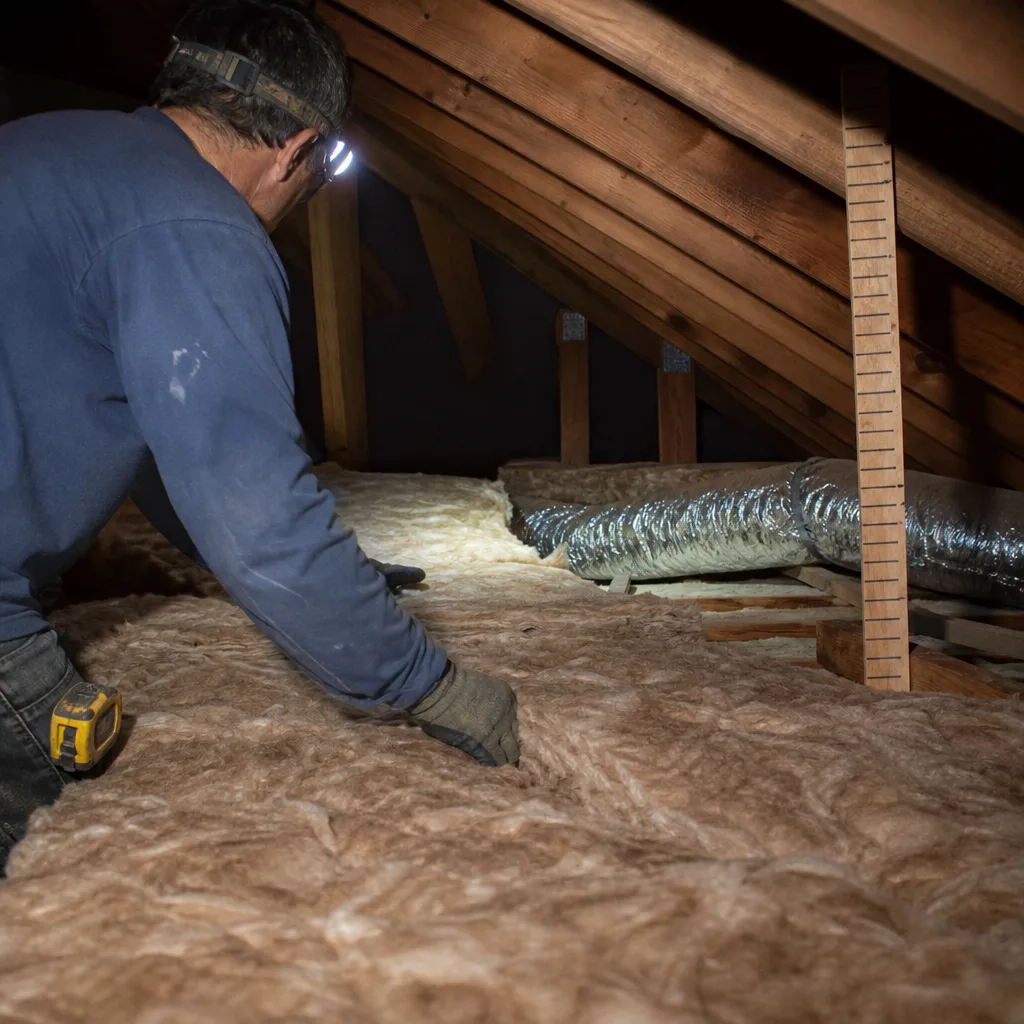
Owens Corning insulation rarely fails all at once. It fails slowly, over years of coastal humidity and heat cycling, and you notice the symptoms before you ever see the material. Chase Whitaker, our owner, puts it this way: “Good insulation doesn’t announce itself – you just stop noticing your energy bill.” When you start noticing the bill again, that’s the insulation telling you something.
Laurel Attic Insulation San Diego is an independent insulation contractor. We install Owens Corning products but we’re not affiliated with the manufacturer. That independence matters: we’ll match the right Owens Corning product to your attic without brand loyalty clouding the recommendation.
Which Owens Corning Models This Applies To
Owens Corning’s attic insulation lineup breaks into two families: batt-and-roll products and blown-in loosefill. The batts include the R-30 and R-38 Pink Fiberglas for attic floors, typically 15 or 24 inches wide to fit standard San Diego joist spacing of 16 or 24 inches on center. The blown-in side is the AttiCat system, sold in compressed pink bales that expand in the AttiCat blowing machine and settle to a consistent R-value per inch, usually around R-2.2 to R-2.7 per inch depending on how it’s installed.
Here’s the compatibility gotcha we see constantly in San Diego homes: you can’t just stack R-19 batts on top of R-30 and call it R-49. Fiberglass needs a vapor-layering approach that accounts for our coastal moisture, and compressing batts to fit a shallower joist bay destroys the R-value faster than most homeowners realize. A 6.25-inch R-19 batt squeezed into a 5-inch cavity performs closer to R-14. We measure first, then recommend.
The OEM-vs-aftermarket question with Owens Corning is less about generic substitutes and more about system matching. Owens Corning batts and AttiCat loosefill are engineered to work together; mixing brands in the same attic is common but introduces slight density and settling differences. We stock both genuine Owens Corning product and, for removal jobs where old material has to come out, we also work with Reflectix radiant barrier for San Diego attics that need a heat-reflective layer under the roof deck. The right call depends on your attic’s ventilation, existing insulation depth, and whether you’re dealing with a full removal or a simple top-off.
Signs Your Owens Corning Attic Insulation Is Failing
- Upstairs rooms run 8 to 12 degrees hotter than downstairs. This is the classic San Diego symptom. Your attic floor insulation has either settled, been compressed by storage boxes, or was installed at an R-value that works for Minnesota but not for a sun-baked Mission Valley roof deck. We see R-11 in attics built in the 1970s that now need R-38 minimum.
- You see daylight through ceiling penetrations or hear rodents in the attic. Neither means the fiberglass itself failed. But when rats or squirrels nest in Owens Corning batts, they compress it, tunnel through it, and leave it matted with waste. That insulation is compromised and needs replacement, not fluffing.
- Your AC runs constantly in summer and your energy bill jumped 30% or more year over year. San Diego Gas & Electric rates make this obvious fast. Deteriorated or thin attic insulation lets conditioned air escape through the ceiling plane, and your unit never cycles off. We’ve replaced insulation in Clairemont homes where the old fiberglass had compacted to half its original depth after 25 years of coastal humidity cycling.
- You notice cold spots or drafts in rooms directly under the attic hatch or recessed lights. Attic hatches and can light housings are the most common gaps in Owens Corning coverage. Even well-installed batts get cut poorly around these penetrations. The fix is air sealing plus insulation, not more insulation alone.
- Batt insulation looks dark, damp, or has visible mold staining. San Diego marine-layer moisture plus a poorly vented attic equals condensation. Wet fiberglass loses R-value and becomes a mold vector. This is a removal job, not a top-off, and it’s the scenario where calling us first saves you money: we’ll confirm the moisture source before we put new material in.
Replacement Cost & What’s Included
Most San Diego attic insulation jobs run $900 to $2,400 for a straightforward top-off or replacement in a typical 1,200 to 1,800 square foot single-story home. Removal of old or damaged material adds $500 to $1,200 depending on depth, accessibility, and whether we’re dealing with rodent contamination. Here’s what drives the range:
- Square footage and R-value target: San Diego’s climate zone wants R-30 to R-38 on the attic floor minimum. Going from R-19 to R-38 costs more than topping R-30 to R-38.
- Access and attic height: Low-slope roofs in North Park bungalows are slower to work in than roomy attics in newer Rancho Peñasquitos builds. Labor is priced honestly, not padded.
- Air sealing: We always recommend sealing top plates, wire penetrations, and hatch gaps before blowing insulation. It adds $200 to $400 and makes more difference than another 6 inches of fiberglass.
- Removal needs: If your old Owens Corning batts are rodent-damaged or moisture-logged, they come out first. That’s a separate line item on your written estimate, not a surprise fee at the door.
Every quote includes a written price before work starts, a written guarantee on the installation, and our 365-Day Done Right Promise: if it’s not right, we make it right, in writing, within a year. If the repair fails, you get a free second visit. No charge, no argument.
DIY or Call Us?
Blown-in insulation is not a safe weekend project. The AttiCat machine runs material through a 100-plus-foot hose at high velocity, and if you’ve never run one, you’ll end up with uneven coverage, shallow spots, and fiberglass dust covering your attic, your clothes, and your lungs. Batt installation looks easier, but cutting around San Diego’s common attic obstacles, can lights, junction boxes, attic fans, and the occasional 1970s open-bay wiring, requires experience and careful air sealing first. Fiberglass in your skin, eyes, and lungs is a miserable way to spend a Sunday.
What you can safely check before you call: measure your current insulation depth with a ruler, look for discoloration or animal sign, and note any rooms that consistently run hot. That information helps us quote accurately over the phone. Then let us do the work while you stay out of the fiberglass. Call (619) 793-3676 and we’ll get you a written number before anyone climbs a ladder.
FAQs
Owens Corning fiberglass insulation typically lasts 20 to 30 years in San Diego before it compresses enough to lose meaningful R-value, but our coastal humidity and rodent pressure can shorten that. Batts damaged by moisture or pests need replacement sooner. If your insulation is older than 20 years and your upstairs runs hot, a measurement costs nothing: call us at (619) 793-3676 and we’ll tell you what you’re working with.
If the material is dry, uncompressed, and simply thin in spots, we can top it off with matching Owens Corning product, usually same day. If it’s wet, moldy, or thoroughly tunneled by rodents, repair isn’t a real option because the compromised material keeps degrading and affecting air quality. We’ll tell you which situation you’re in during the estimate, and the written price covers either path with no bait-and-switch.
A typical San Diego attic top-off or replacement takes 4 to 8 hours, including setup, air sealing, installation, and cleanup. Removal jobs add 2 to 4 hours. We show up at a trackable time, send before-and-after photos through our Relay Standard process, and leave a written guarantee with your digital invoice you can pay from a link.
We stock Owens Corning Pink Fiberglas batts in R-30 and R-38, plus AttiCat blown-in fiberglass, on our trucks and at our San Diego shop. Most jobs don’t require a second visit or a wait for material. If your attic calls for something specific that we don’t have loaded, we’ll give you the honest lead time in the written estimate, not after you’ve already committed.
When you’re ready to stop fighting your upstairs thermostat, call (619) 793-3676. We’ll measure, price it in writing, and install insulation that matches the Owens Corning standard without overcharging you for product your house doesn’t need.
Written by Chase Whitaker, Owner, Laurel Attic Insulation San Diego at Laurel Attic Insulation San Diego, serving San Diego and nearby areas.