
Knauf Crawl Space Encapsulation: The San Diego Owner’s Guide
We stock and install Knauf-compatible crawl space encapsulation materials throughout San Diego, with most complete encapsulation jobs running between $3,800 and $8,500 depending on square footage, access, and how much of the existing vapor barrier can be salvaged. Same-week scheduling is typical for us, and we carry Knauf poly liner and tape on the truck for repair work. Most San Diego homeowners discover their encapsulation has failed when they notice a musty smell drifting up through the floorboards, or when their hardwood starts cupping in August. If you’re seeing condensation on ductwork or finding damp insulation batting that’s fallen beneath the joists, the encapsulation layer has likely been compromised and moisture is moving up from the soil.
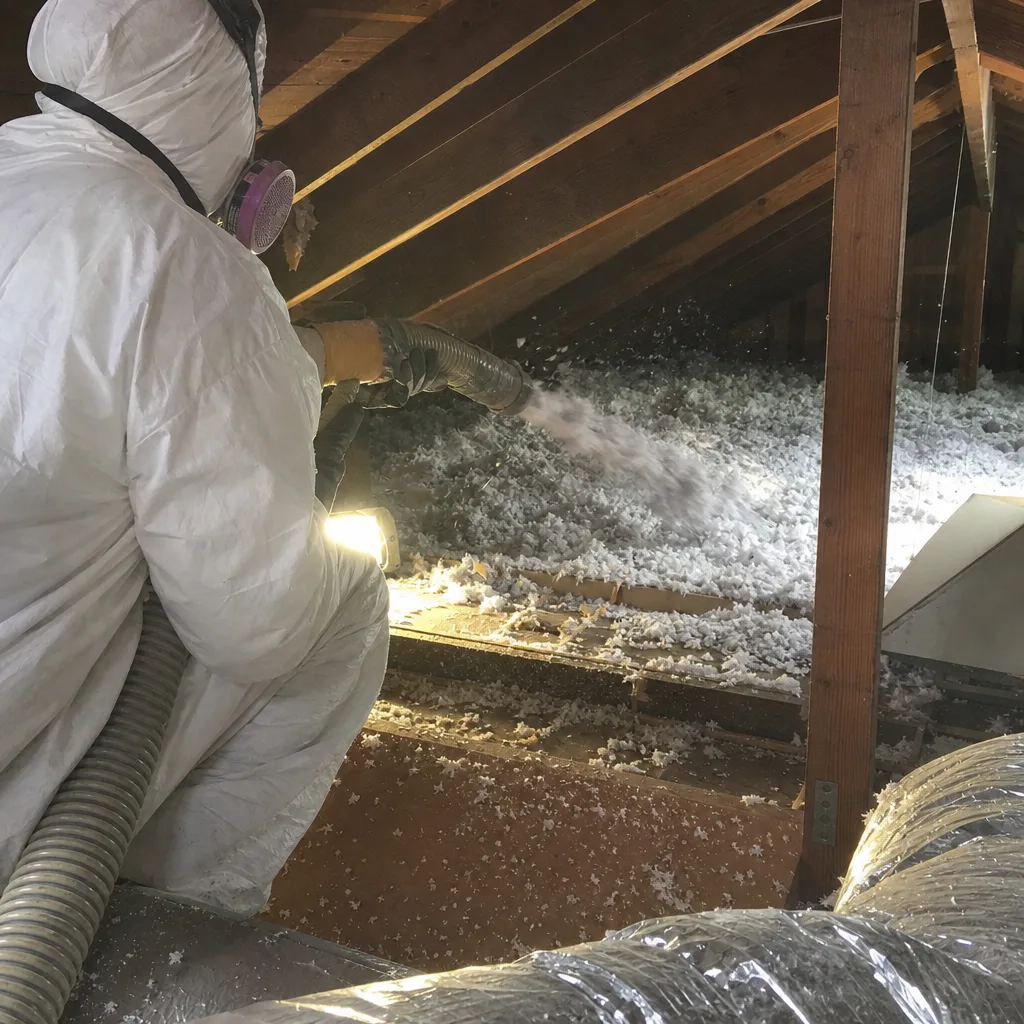
Knauf’s encapsulation line includes reinforced poly liners, seam tape, and accessories engineered for below-grade humidity control. What matters in San Diego specifically is how the marine layer and clay-heavy soils interact with your crawl space. Coastal neighborhoods like Point Loma, Ocean Beach, and La Jolla see ground moisture levels that inland areas like Santee or El Cajon simply don’t. A liner that’s technically fine in Poway might be undersized for what a Mission Bay bungalow deals with daily. We spec the material to your microclimate, not just your square footage.
Which Knauf Models This Applies To
Knauf’s crawl space encapsulation products fall under their Insulation and Building Systems divisions, with the most common residential liners sold under the Knauf EcoBatt and Knauf Performance+ umbrellas. The liners we work with most in San Diego are the 10-mil, 12-mil, and 20-mil reinforced polyethylene sheets, which come in rolls ranging from 10 to 20 feet wide. The key difference between them is puncture resistance and how they handle UV exposure during the weeks between install and conditioning.
Here’s the compatibility gotcha most owners miss: Knauf’s seam tape is formulated specifically for their polyethylene chemistry. Using generic contractor-grade tape from a big-box store on Knauf liner will hold for a season, then peel in the humidity and you’re back to square one. We’ve seen it repeatedly in Rancho Bernardo and Scripps Ranch homes where a previous contractor cut corners on materials. If you’re patching rather than replacing, match the tape to the liner brand. If your liner doesn’t have a visible brand label, measure the thickness with a micrometer, not a ruler. A 10-mil liner that’s degraded can measure 7-mil or less in worn spots, and that tells you it’s time for replacement rather than patching.
Signs Your Knauf Crawl Space Encapsulation Is Failing
- Musty odor upstairs that gets worse after rain. This usually means the liner has torn somewhere and soil moisture is evaporating directly into the crawl space air column. The smell travels up through gaps around plumbing penetrations and electrical chases. In San Diego, this often appears a day or two after a winter storm, then fades during dry spells, which makes it easy to dismiss.
- Sagging or detached liner sections. The mechanical fasteners and seam tape Knauf liners rely on can fail over time, especially in homes with high crawl space temperatures. When liner drops away from the foundation walls, exposed soil is now actively breathing moisture into the space. We see this most often on the south-facing foundation walls of Clairemont and Tierrasanta homes where thermal cycling is aggressive.
- Condensation on ductwork or floor joists. If your encapsulation is intact, the crawl space air should be drier than the outside air. Visible water beading on metal ducts or sweating on wood joists means the liner is no longer doing its job as a vapor barrier. This is a common issue in Mission Valley and other San Diego neighborhoods where homes sit near seasonal water tables.
- Insulation batting that’s fallen or is damp to the touch. Fiberglass batts soaked with moisture lose all R-value and become a mold substrate. If you can reach a joist bay and the insulation feels wet or heavy, the encapsulation layer above it likely has a breach allowing humid air to condense on the cooler surfaces.
- Pest activity in the crawl space. Rats and mice in San Diego chew through polyethylene liners constantly. Once there’s a hole, they expand it. If you’ve heard scratching beneath the floor and find liner damage, the two problems are linked and both need addressing before re-encapsulation makes sense.
Replacement Cost & What’s Included
What you’ll pay for a Knauf crawl space encapsulation replacement in San Diego depends on four things: the square footage of the crawl space, the height (under 3 feet costs more because the crew works on their backs), the condition of the existing liner, and whether we’re doing a full replacement or a targeted repair. Here’s how costs typically break down:
- Full encapsulation, standard 1,200 sq ft crawl space: $3,800 – $5,200 for liner, seam tape, fasteners, and installation
- Targeted section repair with Knauf-compatible tape: $450 – $900, depending on access and tear size
- Liner replacement with old liner removal and disposal: adds $300 – $600 to the base job
- Insulation replacement in joist bays (if existing batting is compromised): $1,100 – $2,400 depending on R-value and material
Every quote includes the liner material, Knauf-compatible seam tape, mechanical fasteners, labor, and cleanup. We give you a written price before any work starts, with no door-step adjustments. The work is covered by our 365-Day Done Right Promise: if the encapsulation fails within a year, we return and make it right, and the second visit is free.
DIY or Call Us?
There’s an honest split here. What any San Diego homeowner can safely do is inspect: shine a flashlight across the liner surface looking for tears, check the perimeter where liner meets foundation wall for gaps, and note any standing water or damp spots on the soil. You can also photograph what you find and send it to us before committing to anything. What goes wrong with DIY is the actual repair. Crawl spaces under 3 feet of clearance force you onto your back in the dark, often tangled in plumbing and electrical runs. Seam taping Knauf liner correctly requires a clean, dry surface, which is nearly impossible to achieve mid-season in a compromised crawl space. And if your liner has failed because of a rodent problem, you’re not solving anything until the entry point is sealed. That’s a job for a pro with the right tools and the willingness to be down there.
If you’re unsure whether your encapsulation can be patched or needs full replacement, call us at (619) 793-3676. We’ll walk you through what to look for, and if we need to come out, the estimate is free.
FAQs
A properly installed Knauf liner in a San Diego crawl space typically lasts 15 to 20 years, with the caveat that coastal humidity and pest pressure can shorten that. Homes within two miles of the coast in neighborhoods like Pacific Beach or Coronado see accelerated seam degradation compared to inland homes in La Mesa or El Cajon, where drier soil conditions are more forgiving. The biggest variable is pest activity: a rodent problem can compromise a liner in a single season.
Small tears under 6 inches can usually be repaired with Knauf-compatible seam tape if the surrounding liner is still pliable and clean. But if the damage is from rodents, if the liner is brittle and cracking across multiple sections, or if the seams have separated around the perimeter, replacement is the honest recommendation. Patching a failing liner is like putting a bandage on a tire with dry rot. Call (619) 793-3676 and describe what you’re seeing, we’ll tell you which situation you’re in before we ever schedule a visit.
A standard 1,200 square foot San Diego crawl space encapsulation takes our crew one full day, start to finish. Smaller repair jobs are typically done in two to four hours. Jobs that include old liner removal, insulation replacement, or pest exclusion work can stretch to two days. We’ll give you a written timeline as part of your quote, and our crew arrives at a live-trackable time, not a vague window.
Yes, we keep Knauf 10-mil and 12-mil liner, Knauf-compatible seam tape, and mechanical fasteners on our trucks at all times. We also stock Reflectix products for radiant barrier applications where they make sense. If you need a repair, we can often handle it the same week we first hear from you, and same-day is possible depending on the schedule.
Good insulation doesn’t announce itself, you just stop noticing your energy bill. That’s the standard we work to on every crawl space in San Diego, from Encanto to University City. If your Knauf encapsulation has failed, call (619) 793-3676 for a free estimate and a straight answer on whether to patch or replace. Chase Whitaker and our crew have been down in more San Diego crawl spaces than we can count, and we’ll tell you exactly what’s going on under your house before you spend a dollar.
Written by Chase Whitaker, Owner, Laurel Attic Insulation San Diego at Laurel Attic Insulation San Diego, serving San Diego and nearby areas.