
Owens Corning Radiant Barrier Installation: The San Diego Owner’s Guide
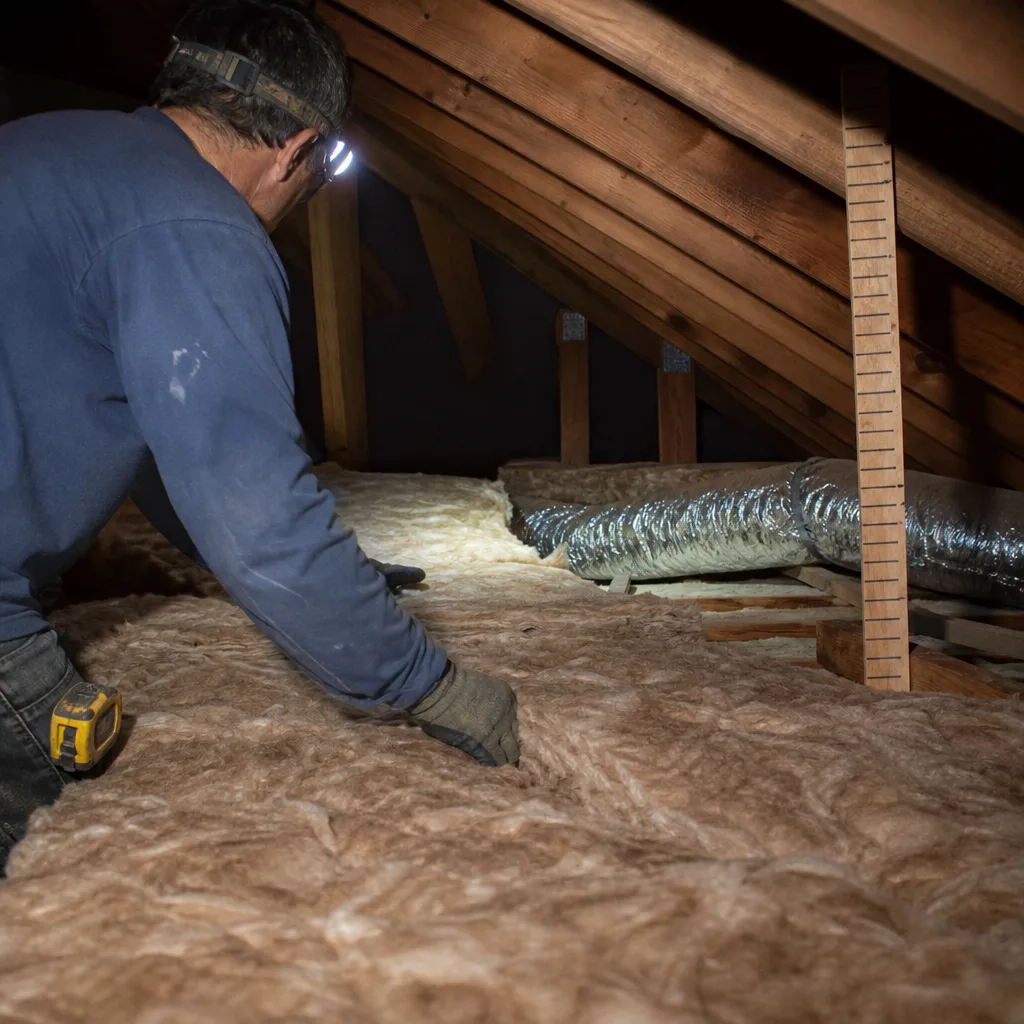
Owens Corning radiant barrier installation in San Diego typically runs $1,100 – $2,800 installed, depending on attic square footage and whether we’re stapling foil to the rafters or laying it over existing insulation. We stock Owens Corning-compatible radiant barrier on our trucks and can usually install it same-week, often next-day for single-story homes under 2,000 square feet. Most San Diego homeowners discover their radiant barrier has failed or was never properly installed when their upstairs rooms run 8 – 10 degrees hotter than downstairs in August, or when their AC bill spikes in July despite no change in usage.
Key takeaways:
- Installed cost for a typical San Diego home: $1,100 – $2,800
- Radiant barrier is a foil-faced material that reflects heat before it enters your attic, not to be confused with fiberglass batts
- We’re an independent installer, not affiliated with Owens Corning, but we stock and install their radiant barrier product line
- Most jobs take 4 – 6 hours; you’ll get a written price before work starts
Which Owens Corning Models This Applies To
Owens Corning doesn’t manufacture radiant barrier under its own brand name the way it does with fiberglass insulation. The radiant barrier product most San Diego homeowners associate with Owens Corning is actually installed alongside or under Owens Corning blown-in insulation in an attic system, with the foil facing downward toward the living space. This matters because radiant barrier performance depends heavily on how it’s positioned relative to the Owens Corning insulation layer above it. We also work with Reflectix, the other major radiant barrier brand we stock, when homeowners have that product in place or want to compare.
If you’re trying to identify what’s currently in your attic, check the foil surface for printed markings. Owens Corning insulation bags and batts carry the pink logo and R-value stamp, but the radiant barrier itself is typically unbranded foil unless you have Reflectix, which prints its name every few feet along the roll edge. The gotcha we see regularly in San Diego: homeowners assume their radiant barrier failed when the real issue is that the foil was installed with the wrong side facing up, or it’s been buried under eight inches of blown insulation so it can’t reflect anything. Radiant barrier only works when there’s an air gap on at least one side; foil sandwiched between insulation and drywall does almost nothing.
If you’re starting fresh, we’ll match the barrier to your specific attic. Single-story ranch homes in Clairemont or Allied Gardens with low-slope roofs need a different layout than the steep, tall attics in North Park craftsman homes. We measure, we show you the material before it goes in, and we don’t sell a roll count your attic doesn’t need.
Signs Your Owens Corning Radiant Barrier Installation Is Failing
- Your upstairs won’t cool below 80°F on hot days. Radiant barrier reflects up to 97% of radiant heat before it can soak into your ceiling. If the foil has torn away from rafters or sagged, that heat lands directly on your attic floor insulation and pushes into the living space below.
- You can feel heat radiating through the ceiling drywall. Place your hand flat on the ceiling on a sunny afternoon. If it’s noticeably warm to the touch, your barrier isn’t doing its job. In San Diego’s coastal climate, this is often the first sign owners notice in homes built before 2010 with original foil that has oxidized or torn.
- Your energy bill jumped without a rate change. SDG&E rate hikes get blamed for a lot, but a 15 – 20% usage increase in summer months compared to last year with the same thermostat setting usually points to attic heat gain. Radiant barrier failure is one of the first things we check when a San Diego homeowner calls about unexplained cooling costs.
- You see foil hanging down in the attic. This is the obvious one. Staples pull loose over time, especially in coastal homes where salt air accelerates oxidation of the fastener points. If the foil is drooping or touching insulation, it’s no longer reflecting.
- Blown insulation has shifted and covered the foil. In attics where Owens Corning blown-in insulation sits above the barrier, foot traffic, rodent activity, or air leaks from recessed lights can push that top layer down onto the foil. Covered foil is dead foil. It needs clearance to reflect, period.
Replacement Cost & What’s Included
Installed radiant barrier replacement or new installation in San Diego runs $1,100 – $2,800. The range breaks down roughly like this:
| Scope | Typical Installed Price |
|---|---|
| Attic up to 800 sq. ft. (single-story, accessible rafters) | $1,100 – $1,500 |
| Attic 800 – 1,500 sq. ft., includes removing failed foil | $1,500 – $2,100 |
| Attic 1,500 – 2,500 sq. ft., steep pitch or low clearance | $2,100 – $2,800 |
What drives the price: attic size, rafter accessibility, how much old foil has to come down first, and whether we’re also adding or re-leveling Owens Corning blown-in insulation above the barrier. Every quote includes material, labor, cleanup, and haul-away of the old foil. You’ll get the written price before we start, and our 365-Day Done Right Promise covers the workmanship in writing. If the barrier sags, tears loose, or underperforms within a year, we come back and fix it. That’s a free second visit, no charge, no argument.
DIY or Call Us?
Here’s the honest split. You can safely inspect your radiant barrier from the attic entry without any special equipment. Look for sagging foil, torn staple points, and whether insulation has drifted over the barrier. That’s a five-minute check with a flashlight, and it’ll tell you whether you even need a contractor. What you shouldn’t do is re-staple large sections of foil yourself, especially in a San Diego summer attic where temperatures hit 130 – 140°F. Heat exhaustion hits fast in those conditions, and walking rafters over joists in low light is how people put a foot through the ceiling. We do this work with respirators, proper lighting, and a second person on the ground. If the inspection shows damage beyond a small corner, call us at (619) 793-3676. We’ll give you a straight answer and a written price.
Chase Whitaker put it best when he said, “Good insulation doesn’t announce itself – you just stop noticing your energy bill.” That’s the goal with radiant barrier. It works quietly, and when it’s done right, you forget it’s there.
FAQs
Radiant barrier typically lasts 15 – 25 years in San Diego, but coastal salt air shortens it on the staple points and edges. Homes within two miles of the coast often see faster oxidation on the foil surface, which is why we recommend an attic inspection every 3 – 4 years if you’re in Ocean Beach, Point Loma, or La Jolla. Call (619) 793-3676 and we’ll check yours for free as part of a quote.
Yes, if the foil is torn in isolated sections or has pulled loose from a few staple points, we can re-secure and patch it. But if oxidation has spread across more than a third of the surface, replacement is cheaper and more effective in the long run. We’ll show you photos from the attic so you can see exactly what we’re seeing before you decide.
Most radiant barrier installations in San Diego take four to six hours for a standard attic, including removal of old foil and cleanup. Larger attics or steep-pitch roofs can push it to a full day. You’ll get a live arrival time when you book, and we send before-and-after photos so you can see the work without climbing a ladder yourself.
Yes. Our trucks carry Owens Corning-compatible radiant barrier and Reflectix in common widths, so we can start most jobs on the first visit. If your attic requires a custom width or you want a specific product, we’ll order it and schedule the install for the next available slot. Estimates are free; call (619) 793-3676.
Laurel Attic Insulation San Diego is an independent insulation contractor. We are not affiliated with Owens Corning or Reflectix. All product names are trademarks of their respective owners, used here to identify compatibility for our San Diego customers.
Written by Chase Whitaker, Owner, Laurel Attic Insulation San Diego at Laurel Attic Insulation San Diego, serving San Diego and nearby areas.